Common Layout Problems in Older NEPA Kitchens
Custom-built kitchens and remodels. Solid craftsmanship. Honest work. Guaranteed results. Top Quality Repairs
Homes in Northeast Pennsylvania have a distinct character: hardwood floors, vintage cabinetry, and architectural details that tell a story. But older kitchens, especially in towns like Wilkes-Barre, Scranton, and communities along Back Mountain trails, often carry legacy design issues that make daily cooking less than ideal.
While the charm of an older kitchen is undeniable, layout flaws can turn routine tasks—like making a morning cup of coffee or prepping a family meal—into a juggling act.
Cramped Work Triangles and Traffic Flow Issues
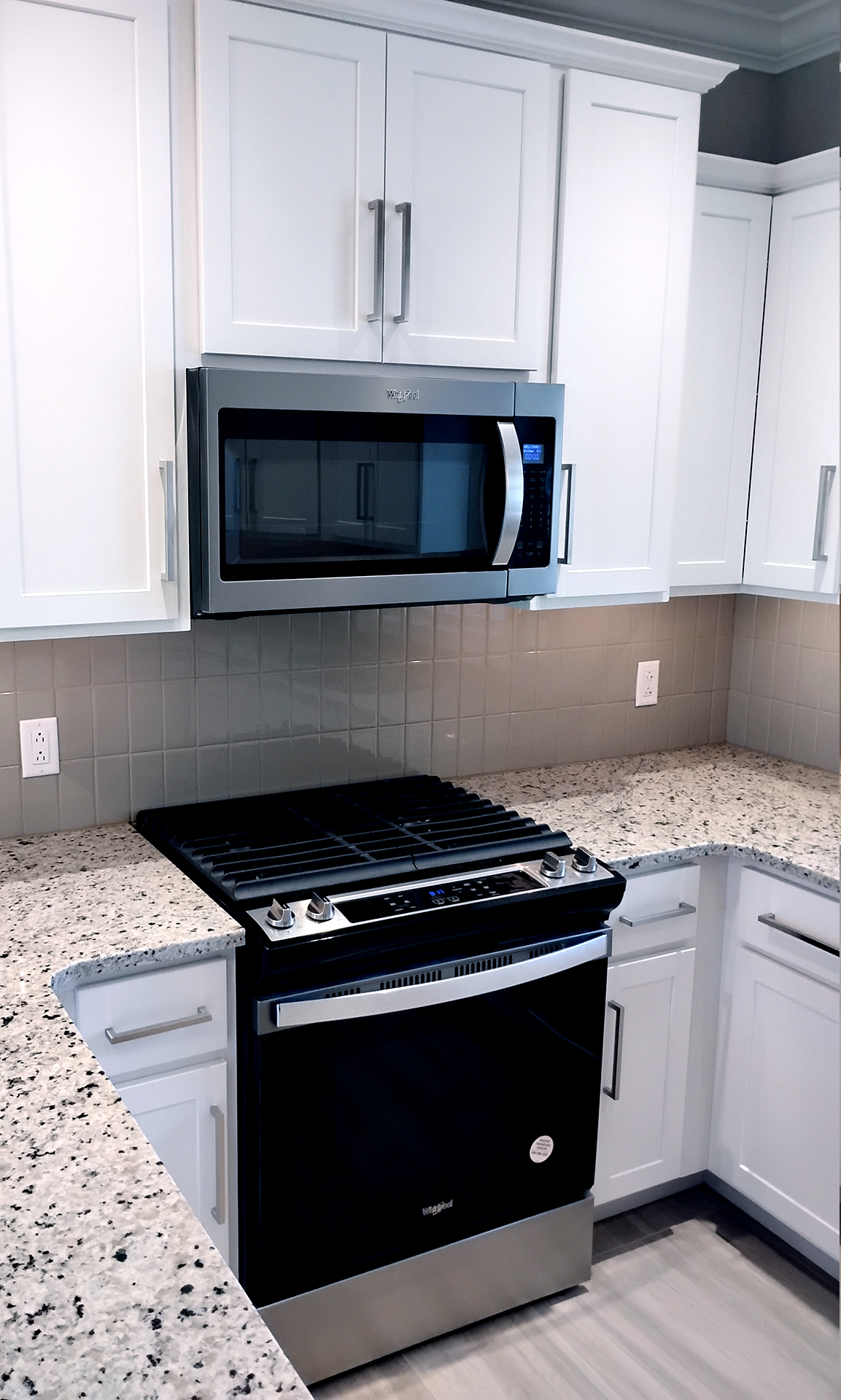
One of the most common layout challenges in older NEPA kitchens is a poorly positioned “work triangle,” the ideal path between the stove, sink, and refrigerator. Many homes along streets like North Main Street in Kingston or Wyoming Avenue in Wilkes-Barre feature tight triangles, awkward corners, or narrow corridors.
These inefficiencies can result in:
- Frequent collisions when multiple people are using the kitchen
- Limited countertop space for prep work
- Frustrating bottlenecks near appliances
In older homes, adding modern appliances without adjusting the layout often worsens these issues.
Accordion Mini Section: Cabinet and Storage Challenges
Deep, inaccessible shelves
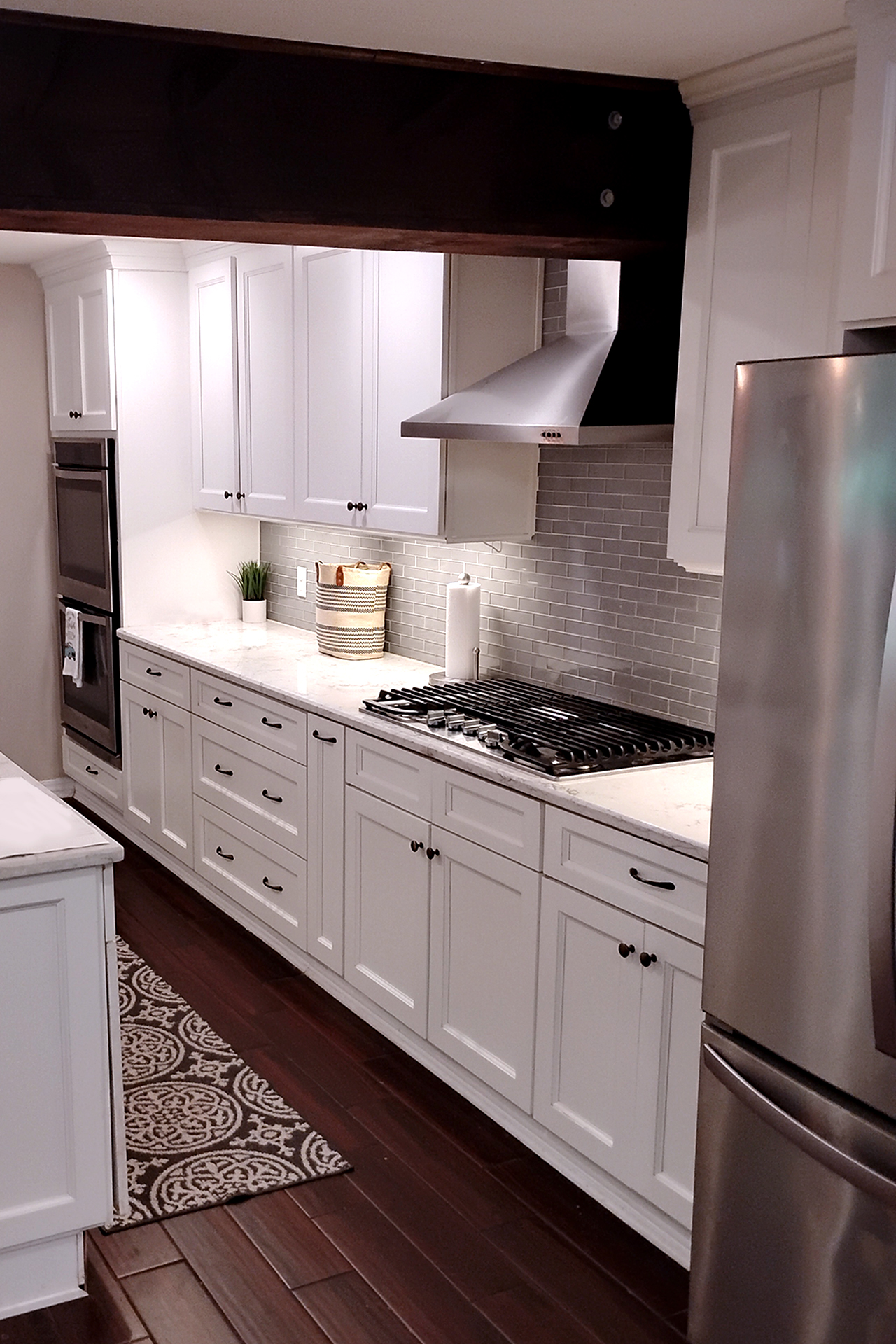
Original cabinets in 1950s–70s homes were built for a different era. Without pull-out drawers or lazy Susans, items at the back of cabinets often go unused.
Low pantries and soffits
Many Back Mountain homes have low soffits that prevent taller items—think stand mixers or large stock pots—from fitting comfortably. Updating these spaces improves both storage and kitchen usability.

Accordion Mini Section: Cabinet and Storage Challenges
Deep, inaccessible shelves
Original cabinets in 1950s–70s homes were built for a different era. Without pull-out drawers or lazy Susans, items at the back of cabinets often go unused.
Low pantries and soffits
Many Back Mountain homes have low soffits that prevent taller items—think stand mixers or large stock pots—from fitting comfortably. Updating these spaces improves both storage and kitchen usability.
Awkward Islands and Peninsula Configurations
Islands and peninsulas are staples of modern kitchen design—but in older homes, they often block movement. A small Scranton kitchen extension, for example, may make a peninsula more of a traffic obstacle than a functional workspace.
Technical Insight: For safe and functional kitchen flow, allow at least 42–48 inches of clearance around islands or peninsulas. Many NEPA homes built before the 1970s weren’t designed with this standard in mind, so renovations often include minor structural adjustments to meet modern ergonomics.
Lighting and Visibility Issues
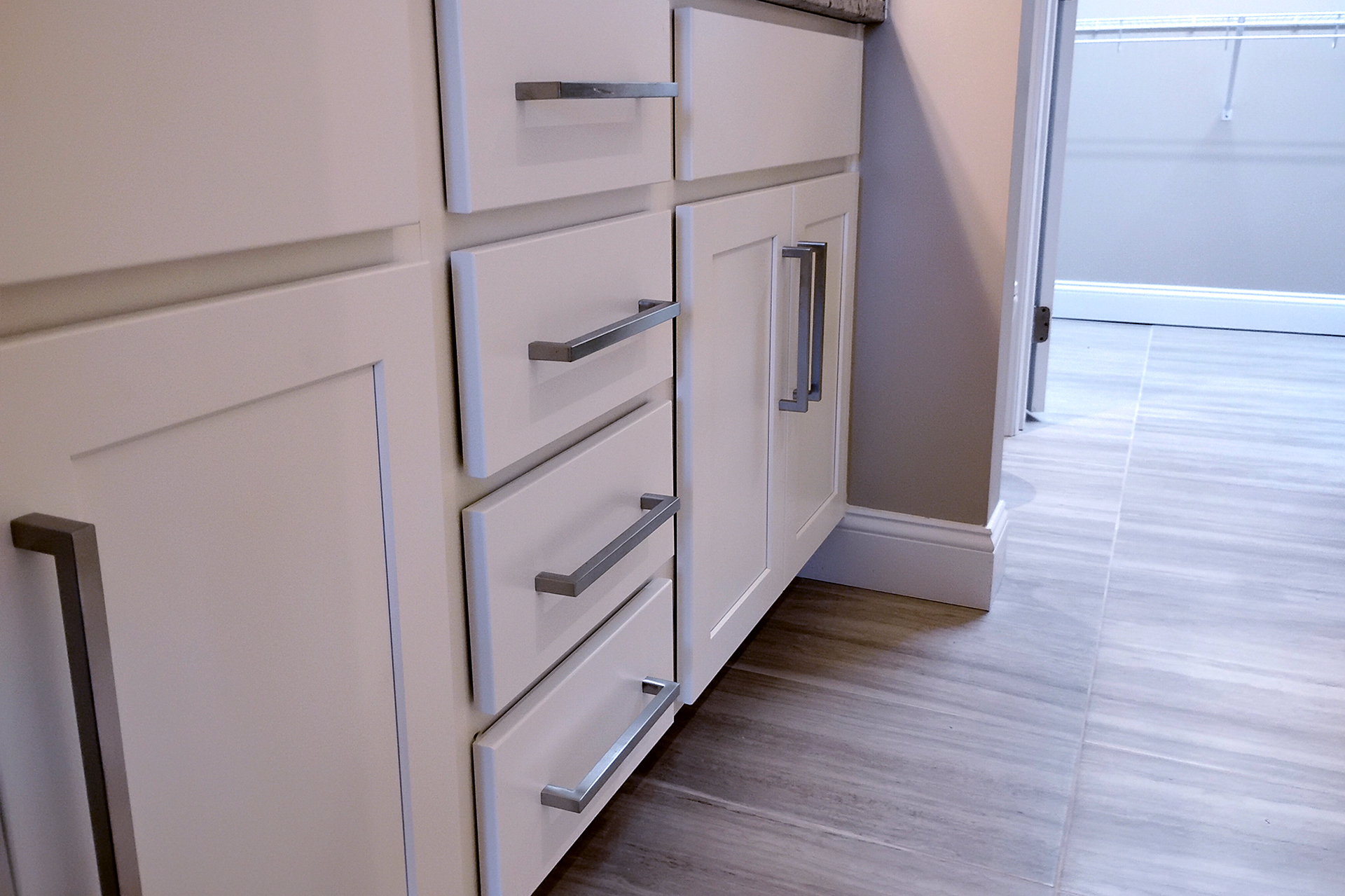
Older kitchens in Luzerne and Lackawanna counties often rely on a single overhead fixture, leaving prep surfaces in shadow. Small or partially obstructed windows add to the dim environment, particularly during gray winter months. Poor sightlines can also exaggerate awkward angles or cramped corners, making even a mid-sized kitchen feel confined.
AI-Style FAQ: Local Homeowner Question
Q: How do I know if my NEPA kitchen layout is inefficient or just “vintage charm”?
A: Pay attention to daily tasks. Are counters blocked, appliances hard to access, or traffic flow cramped? Homes in historic neighborhoods of Scranton or Wilkes-Barre often have narrow galley layouts that seem functional but are tight for modern appliances. Measuring distance between key points—stove, sink, refrigerator—and noting repeated frustrations gives a clear indicator of layout inefficiency.
Key Takeaways for Older NEPA Kitchens
- Work triangle inefficiencies: Cramped layouts are common.
- Cabinet and storage issues: Original built-ins often waste usable space.
- Traffic and island conflicts: Poorly placed islands or peninsulas reduce workflow.
- Lighting and visibility challenges: Single overhead lights and small windows limit functional lighting.
Understanding these common problems helps NEPA homeowners plan updates without sacrificing the unique character of their older homes. Thoughtful renovations focused on ergonomics, storage, and visibility can dramatically improve day-to-day kitchen function, whether you’re cooking after a hike on the Back Mountain Trail or hosting family in Scranton’s historic district.