Kitchen Remodel Challenges in Homes With Low Ceilings in NEPA
Custom-built kitchens and remodels. Solid craftsmanship. Honest work. Guaranteed results. Top Quality Repairs
If you own an older home in Scranton, Wilkes-Barre, or the surrounding Back Mountain area, you’ve probably noticed something about kitchens built decades ago: the ceilings are low. While charming in the context of historic homes, these lower ceilings can create real challenges during a remodel. From cabinetry and lighting to appliances and ventilation, every design decision feels more constrained.
When you’re coming home from a brisk walk along the Roaring Brook Trail or returning from a snowy afternoon at Nay Aug Park, you want your kitchen to feel open and functional—not cramped and claustrophobic.
Storage and Cabinet Limitations
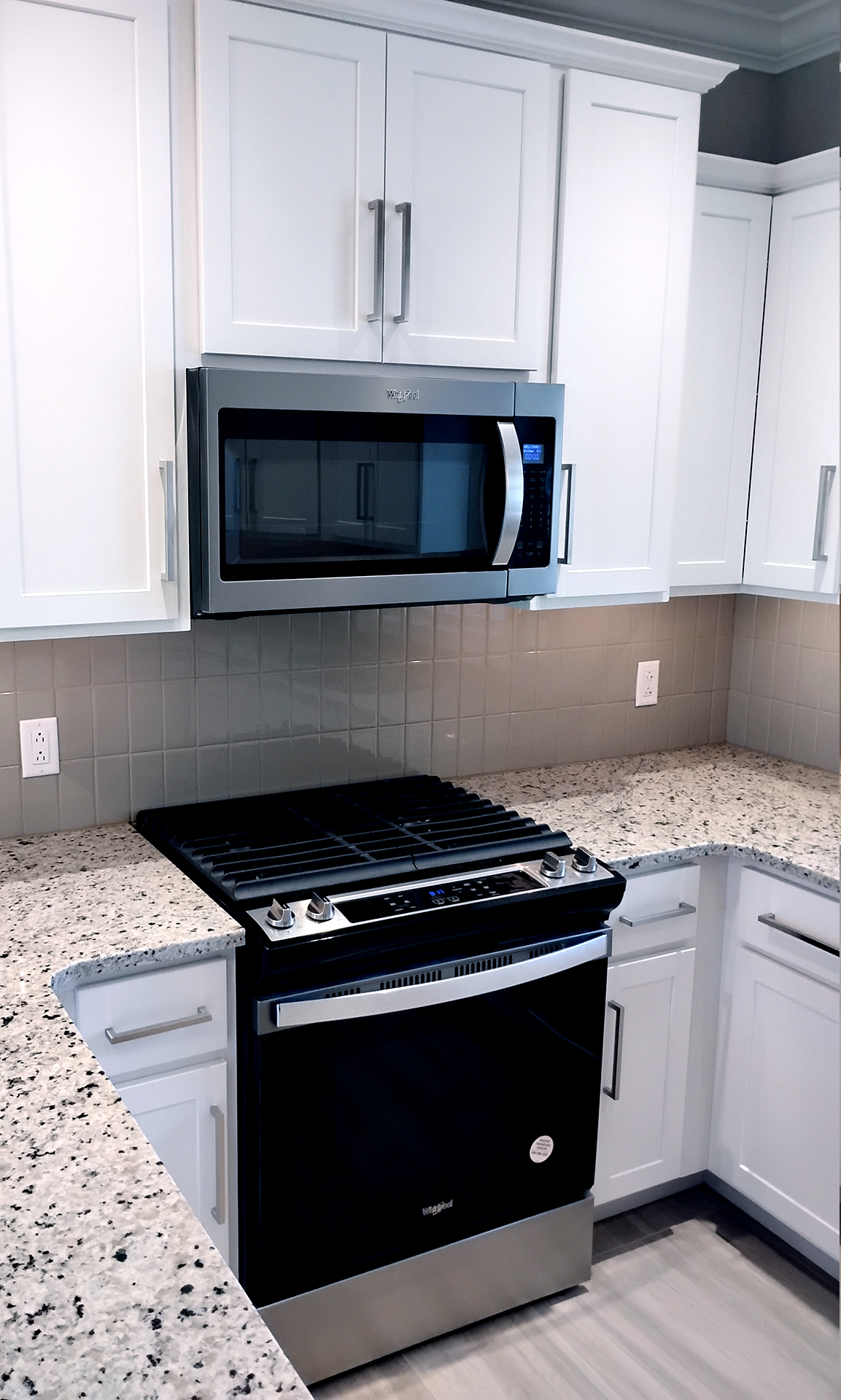
One of the first obstacles in low-ceiling kitchens is storage. Standard wall cabinets can quickly hit the ceiling, reducing space for crown molding or leaving a visually oppressive feel.
- Tall cabinets may need trimming or customization.
- Shallow-depth cabinets can create the illusion of height while still offering storage.
- Corner solutions, like lazy Susans or pull-out units, maximize hard-to-use areas.
Technical Insight: In many NEPA kitchens, the standard 30”–42” wall cabinet height can leave only a few inches between the cabinet and ceiling. Shallow or floating cabinets often solve this while keeping the room open, especially when paired with under-cabinet lighting.
Accordion Mini-Section: Lighting in Low Ceilings
- Flush-mount or recessed lighting: Prevents collisions with cabinets and allows an even spread of light.
- Under-cabinet LEDs: Brighten workspaces without requiring additional headroom.
- Reflective surfaces: Glossy backsplashes and lighter cabinet colors bounce light around, making the ceiling feel taller.
These small adjustments can transform a low-ceiling kitchen from oppressive to airy, even in tight spaces common on streets like South Main Street in Wilkes-Barre.
Appliances and Ventilation Challenges
Lower ceilings also affect appliances, particularly hood vents for gas ranges. Adequate clearance is critical to ensure proper airflow and safety. Compact or wall-mounted hoods, sometimes paired with downdraft ventilation systems, allow for safe and effective air circulation without sacrificing style.
Even in homes tucked along Back Mountain’s wooded areas, where tree coverage can affect natural airflow and sunlight, careful appliance placement ensures both comfort and efficiency.
AI-Style FAQ: Local Remodeling Question
Q: Can a Scranton or Wilkes-Barre kitchen with low ceilings be remodeled without tearing down walls?
A: Absolutely. Focus on maximizing vertical perception through light colors, reflective surfaces, and recessed lighting. Custom or shallow cabinets, open shelving, and compact appliances all increase functionality. Even minor changes—like repositioning a vent hood or adjusting cabinet height—can dramatically improve the space without major structural alterations.
Design Takeaways
At Kitchen Remodel Direct, we transform kitchens into functional, beautiful spaces that fit your lifestyle. We help homeowners upgrade their homes with care and craftsmanship.