How Heat Damage Affects Kitchen Countertops
Custom-built kitchens and remodels. Solid craftsmanship. Honest work. Guaranteed results. Top Quality Repairs
Heat Leaves a Mark
Kitchen countertops are built to handle everyday use, but that does not mean they can withstand unlimited heat. Placing a hot pan directly on the surface, setting down a baking dish fresh from the oven, or exposing the same area to repeated high temperatures can cause damage that ranges from minor discoloration to permanent cracks, burns, or material failure.
For homeowners planning a kitchen remodel in Wilkes-Barre, Scranton, and throughout Northeastern Pennsylvania, understanding how heat affects different countertop materials can help protect a new investment. The right countertop depends on more than appearance. Its composition, heat resistance, maintenance requirements, and proximity to cooking appliances all influence how well it performs over time.
What Happens When a Hot Pan Touches a Countertop?
Heat damage occurs when a countertop material or one of its components cannot tolerate a sudden or sustained temperature increase. Some surfaces transfer heat quickly, while others resist temperature changes more effectively. Certain materials may also contain resins, adhesives, or protective coatings that react differently to heat than the primary material itself.
A hot pan can create several types of damage:
- Discoloration: The surface may develop a yellow, brown, cloudy, or darkened area.
- Cracking: A sudden temperature change can create stress within the material, leading to hairline cracks or larger fractures.
- Burn marks: Heat may scorch coatings, damage resin, or leave marks that ordinary cleaning cannot remove.
- Surface deterioration: Certain finishes can become dull, rough, or uneven after exposure to excessive heat.
- Adhesive failure: Heat near seams, edges, or appliance openings can affect the bonding materials used during fabrication or installation.
Not every mark caused by a hot pan is permanent. Sometimes, residue from cookware or food creates a stain that resembles heat damage. However, if the countertop itself has changed color, developed a crack, or lost its finish, cleaning alone may not solve the problem.
The material matters just as much as the temperature. A surface that handles one brief contact with a warm dish may react very differently when exposed to a heavy cast-iron skillet straight from the stove.
Countertop Heat Resistance at a Glance
The following comparison provides a general guide. Exact performance varies by manufacturer, product formulation, surface treatment, and installation quality.
|
Countertop material |
General heat resistance |
Main heat-related concern |
|
Engineered quartz |
Moderate; avoid direct hot cookware |
Resin discoloration, thermal stress, cracking |
|
Granite |
Generally good |
Thermal shock, existing cracks, sealer damage |
|
Marble |
Generally good, but not damage-proof |
Thermal stress and damage to surface treatments |
|
Laminate |
Limited |
Scorching, blistering, adhesive failure |
|
Solid surface |
Limited to moderate, depending on product |
Burns, softening, discoloration |
|
Porcelain or sintered stone |
Generally very good, product-dependent |
Edge damage, thermal shock, installation vulnerabilities |
These categories should not replace the care instructions for a specific product. When comparing countertop options during a kitchen renovation, ask the supplier or installer for the manufacturer’s heat-resistance guidance and warranty limitations.
Why Sudden Temperature Changes Can Be More Dangerous Than Heat Alone
One of the most important concepts in countertop care is thermal shock.
Thermal shock occurs when a material experiences a rapid temperature change that creates uneven expansion or contraction. Different portions of the material may respond at different rates, producing internal stress.
Imagine placing a heavy, extremely hot roasting pan on a cool countertop. The area directly beneath the pan heats up rapidly, while the surrounding surface remains much cooler. Depending on the countertop’s composition and condition, that temperature difference can contribute to cracking or other damage.
This risk can be greater around cutouts for sinks and cooktops, narrow sections of stone, seams, and areas that are not adequately supported.
Northeastern Pennsylvania homeowners may also encounter temperature changes during seasonal transitions. However, ordinary indoor seasonal fluctuations are not usually the primary concern for a properly installed kitchen countertop. Direct contact with hot cookware and sudden, concentrated heating are more relevant everyday risks.
The practical lesson is simple: even a countertop advertised as heat-resistant should be protected from extreme, localized temperature changes.
Heat Damage Near Stovetops, Ovens, and Other Appliances
Countertops do not experience heat only when someone places a hot pan on them. Their location in relation to cooking appliances can also affect long-term performance.
Areas beside ranges, cooktops, wall ovens, and other heat-producing equipment may experience repeated exposure to warm air or concentrated heat. If an appliance is installed incorrectly, lacks the required clearances, or directs heat toward a countertop edge, the surrounding materials may be affected.
Potential warning signs include:
- Discoloration concentrated beside a stove or oven.
- A countertop seam that begins to separate.
- Swelling or lifting in laminate surfaces.
- Cracks developing near a cooktop cutout.
- Damage to a finished edge or nearby cabinet component.
Not every crack or discolored area near an appliance is caused by heat. Improper support, movement, impact, moisture, and fabrication issues can create similar symptoms.
If damage repeatedly appears in the same location, have the countertop and appliance installation evaluated. Replacing the damaged surface without addressing the underlying cause could allow the problem to return.
How to Prevent Heat Damage in Your Kitchen
Protecting countertops does not require complicated maintenance. A few consistent habits can significantly reduce the risk of damage.
- Use trivets and heat-resistant pads. Keep them near the stove and oven so they are convenient when cooking.
- Avoid direct contact with hot cookware. Do not assume that a thick stone surface can safely handle every hot pan.
- Follow product-specific instructions. Different quartz, stone, laminate, and solid-surface products may have different care requirements.
- Protect vulnerable edges and cutouts. Pay attention to areas around cooktops, seams, and narrow countertop sections.
- Use suitable cleaning products. Cleaners that damage a sealer or finish can make an existing problem harder to assess and repair.
- Investigate recurring damage. If marks or cracks continue appearing near an appliance, have the installation checked rather than treating each defect separately.
A trivet is a small investment compared with the cost of repairing or replacing an entire countertop.
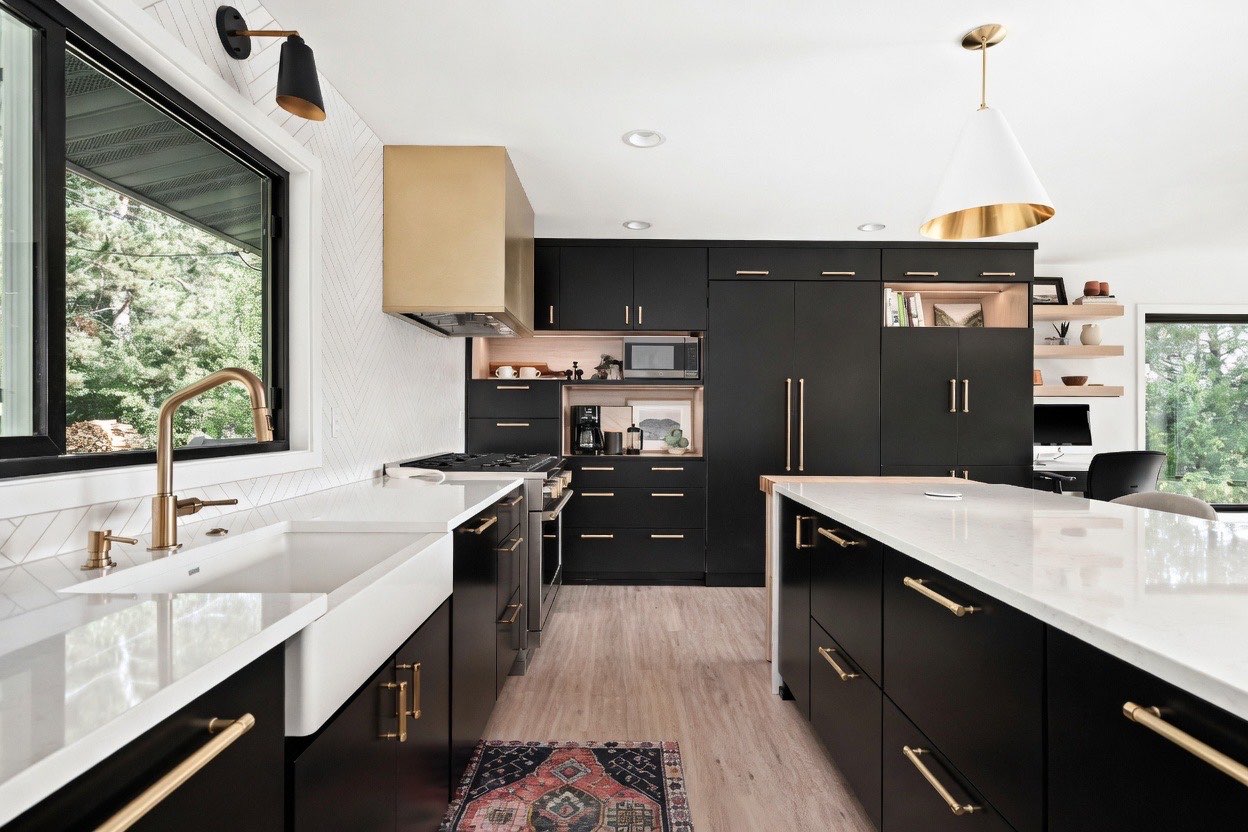
Choosing a Heat-Resistant Countertop During a Kitchen Remodel
If you are planning a kitchen remodel in Wilkes-Barre, Scranton, or elsewhere in NEPA, countertop selection should reflect how your household actually uses the kitchen.
A homeowner who cooks daily with heavy cookware may prioritize different features than someone who uses the kitchen occasionally and places greater emphasis on appearance. Families who bake frequently may want to consider how often hot trays and baking dishes are moved between the oven and the countertop.
Think about more than the slab itself. The countertop’s edges, cutouts, seams, supporting cabinets, and relationship to nearby appliances all influence its long-term performance.
During the planning stage, consider these questions:
- How resistant is the specific product to direct heat and sudden temperature changes?
- Are trivets or other protective accessories recommended?
- What happens if the surface becomes discolored, cracked, or chipped?
- Are there special care requirements for the finish or sealer?
- Does the manufacturer’s warranty exclude heat damage?
- Will the countertop be installed near a range, wall oven, or other heat-producing appliance?
The answers can help you compare materials realistically instead of relying on broad claims such as “heat-proof” or “indestructible.”
For a kitchen remodel, it is also worth discussing how countertop selection fits with the cabinets, backsplash, flooring, and overall layout. A coordinated design should look good, support everyday cooking, and remain practical to maintain.
Protect Your Countertops for the Long Term
Heat damage is often preventable, but the right precautions depend on the countertop material and how it is installed. Quartz can be vulnerable to resin-related damage, laminate can scorch or blister, and even natural stone can crack under sudden temperature changes. Understanding these differences helps homeowners make informed choices and protect their investment.
For homeowners planning a kitchen renovation in Wilkes-Barre, Scranton, and surrounding Northeastern Pennsylvania communities, thoughtful countertop selection is an important part of creating a kitchen that performs well beyond the initial remodel. Kitchen Remodel Direct can help coordinate countertop decisions with your cabinets, layout, flooring, backsplash, and other renovation details so the finished space supports the way you live and cook.
Planning a kitchen remodel? Contact Kitchen Remodel Direct to discuss your kitchen’s layout, material options, and the details that can help your renovated space look great and function well for years to come.